

Dev Diary
Essays and insights on communication breakdowns, coordination problems, and reducing everyday friction for families and small teams.
This space is for longer-form thinking — not announcements. Each post explores a specific coordination or communication problem that shows up in real life, why it happens, and what helps reduce the friction around it.
Shared Calendars Help, But They Do Not Solve Family Scheduling on Their Own
Shared calendars are useful, but access alone does not guarantee better family coordination. When schedules stay buried in personal phones and app habits, families can still miss important details. A central shared display in the home can help make family scheduling easier to see and act on.
March 22, 2026
·
6 min read
Peace of Mind Comes From Knowing You’ll See It
Family coordination breaks down when too much depends on memory. Someone forgets to add the event. Someone updates the time but forgets to mention it. Something ends up on the wrong calendar, or on a calendar only one adult sees. This article explores why the real value of a shared family calendar is not just planning ahead, but reducing the mental load of having to remember, relay, and re-check everything.
March 9, 2026
·
6 min read
Why Most Scheduling Apps Send Too Many Notifications
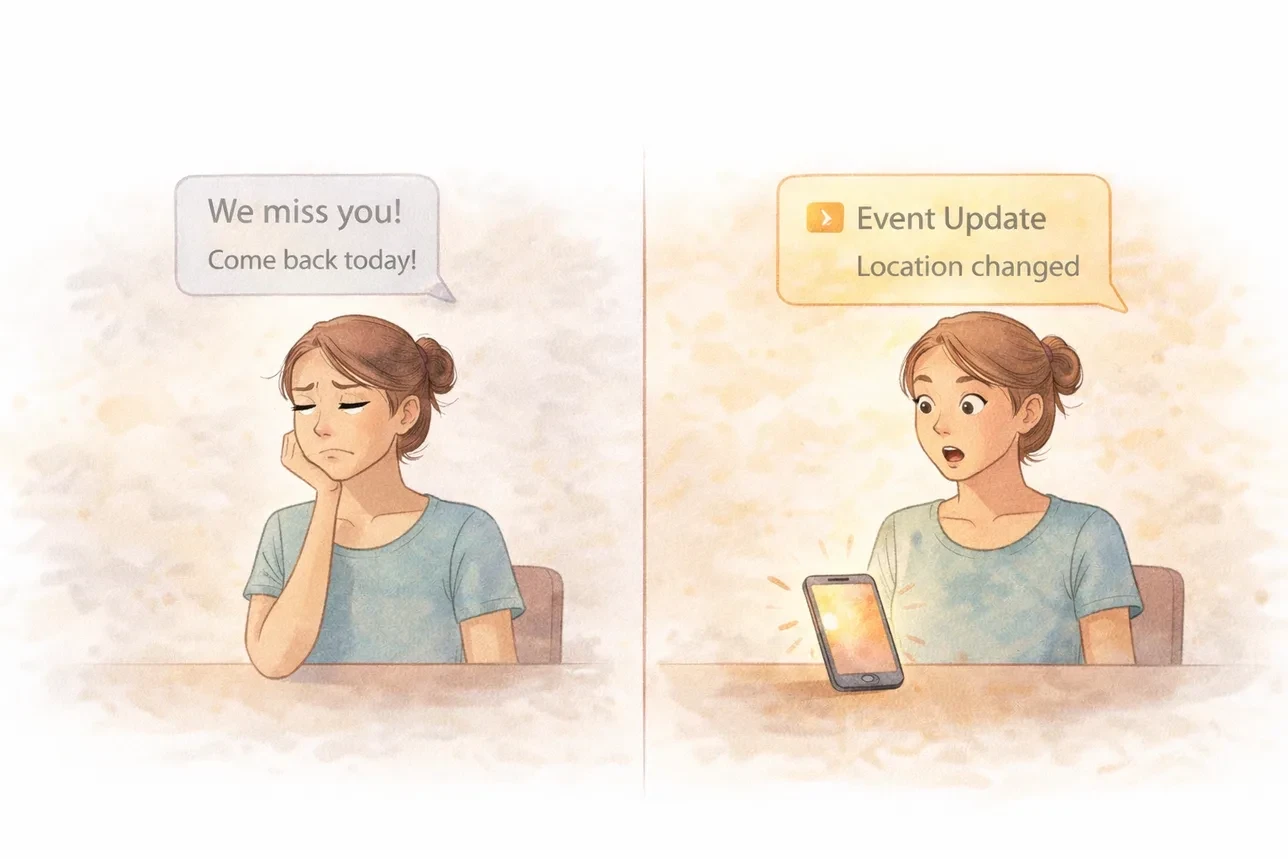
Notifications are supposed to help people stay informed about what matters. But when scheduling apps send too many alerts, the important ones get ignored. Effective coordination tools use notifications sparingly — delivering them only when timing and context make them truly useful.
March 5, 2026
·
5 min read
Why Real-Time Visibility Changes Family Coordination
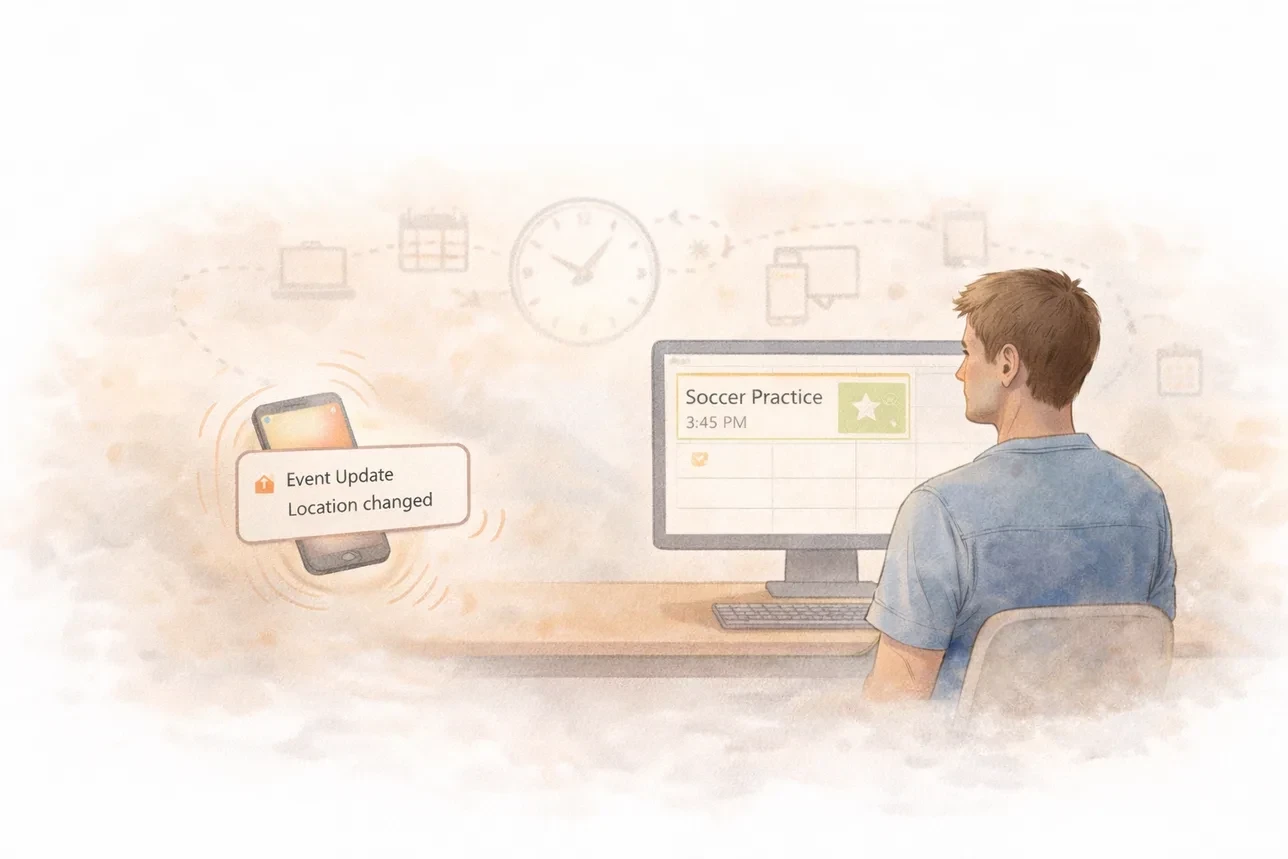
Family coordination doesn’t happen in static calendars — it happens in motion. When plans change, responsibilities shift, or details get updated, everyone needs to see the same information at the same time. Real-time visibility helps families stay aligned by making schedule changes immediately visible across devices and people.
March 5, 2026
·
5 min read
Why I Built Recipes for ComingUp Today
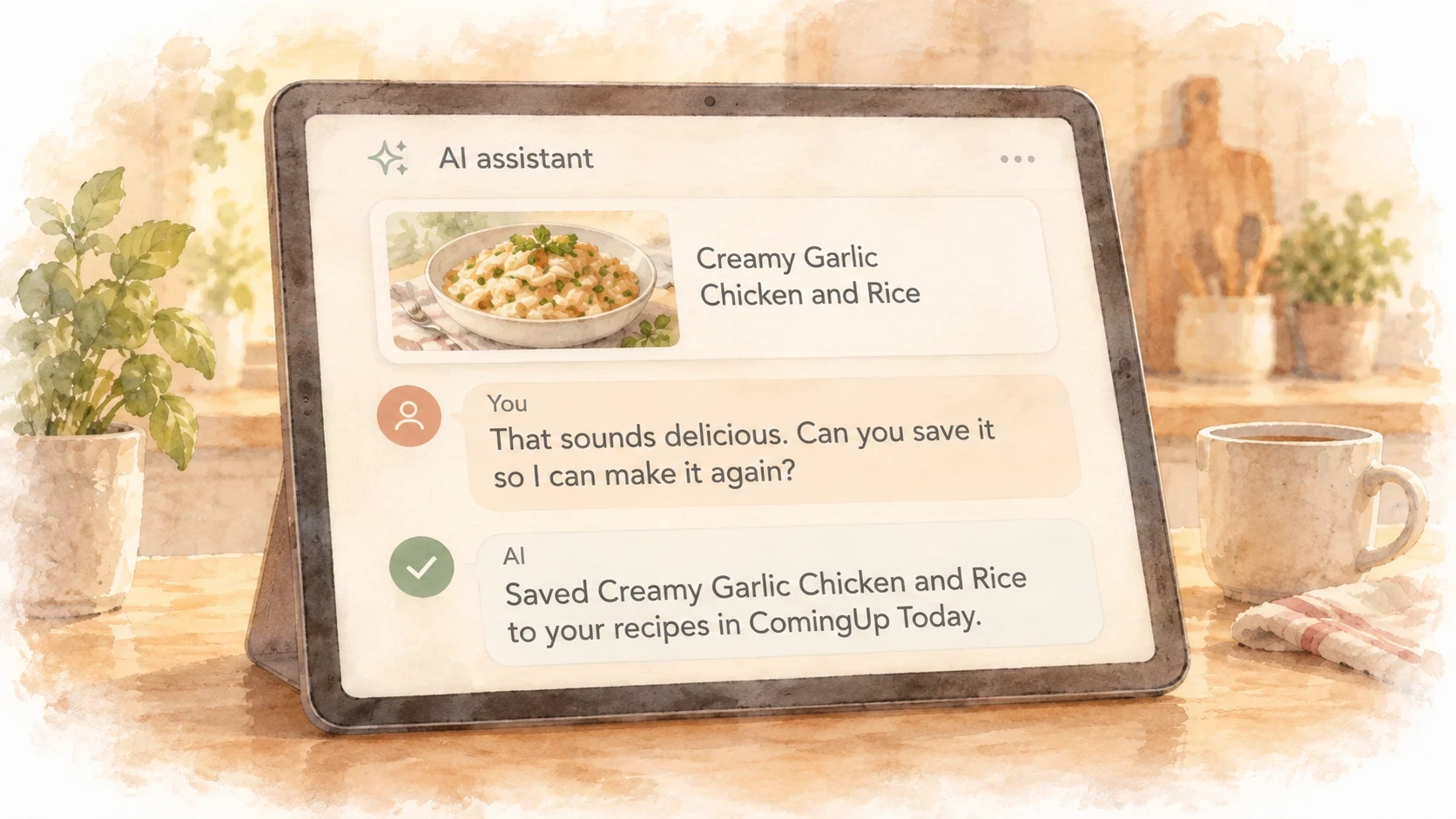
Recipes are more than instructions — they’re memories, traditions, and shared life knowledge. Here’s why I built the recipe system in ComingUp Today and why it matters for families and friends alike.
February 25, 2026
·
5 min read
Control vs Visibility: Why Most Tools Optimize the Wrong Thing
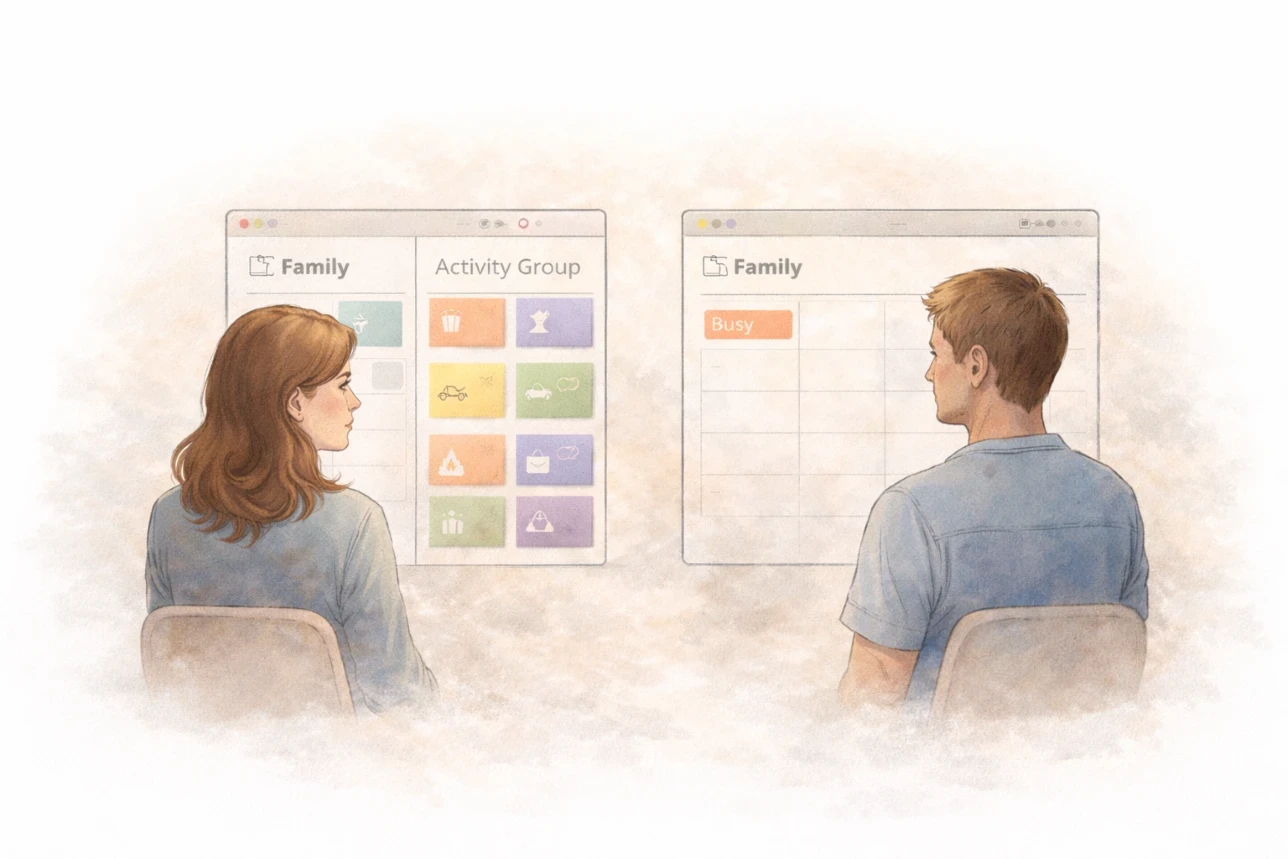
Most scheduling tools optimize for control and permissions. Families, however, need shared visibility. Understanding this structural mismatch explains why coordination friction persists — even with shared calendars.
February 22, 2026
·
4 min read
Coordination Debt: The Hidden Cost of Assumptions
Coordination debt builds quietly in families and small groups. Every missing detail, duplicated event, and assumption about responsibility adds friction over time — creating hidden costs that compound daily.
February 21, 2026
·
5 min read
Why Context Changes Everything in Family Coordination
Context transforms information from data into understanding. Just as AI generates better results when given more context, families coordinate better when meetings, appointments, and activities include shared clarity beyond just time and place.
February 21, 2026
·
5 min read
Why Individual Calendars Don’t Scale for Family Coordination
Personal calendars work well for individuals, but when they’re stretched across multiple accounts, privacy choices, and relational responsibilities, they fail to provide reliable coordination for families and small groups.
February 21, 2026
·
6 min read
Invisible Friction in Family Coordination
Everyday coordination breaks down not because of calendars, but because families lose context — the invisible friction that leads to missed plans, stress, and conflict. This article explores how shared visibility (not shared control) can reduce that friction.
February 16, 2026
·
5 min read
Page 1 of 2
Next